
Why The Intimate Standard Exists
Did you know that studies of women with chronic vaginal symptoms found that about 41% reported clinically significant anxiety and nearly 26% met criteria for depression?
Did you know that around 58% of women have avoided intimacy because they felt insecure about their vaginal scent?
And did you know that CDC and WHO data estimate bacterial vaginosis (BV) affects roughly 23–30% of women of reproductive age—yet in one survey, 62% of women initially mistook BV for a yeast infection, highlighting how common confusion around vaginal conditions really is?
The Intimate Standard exists to redefine how we approach intimate care.
Somehow, we’ve been taught to panic first, Google second, and reach for aggressively scented products third. We think there’s a better way. We believe intimate care deserves the same thoughtful, preventative, and evidence-based approach as any other part of the body.
This publication is dedicated to clear education, clinical perspective, and modern standards of care—focused on maintaining balance, protecting intimate skin, and preventing issues before they begin.
Every article is written with intention: to inform without fear, to prioritize long-term wellbeing, and to elevate intimate care into a considered, trusted practice.
We believe care is most powerful when it’s proactive, informed, and quietly consistent.
Subscribe to our weekly journal every Monday at 7:00 am.
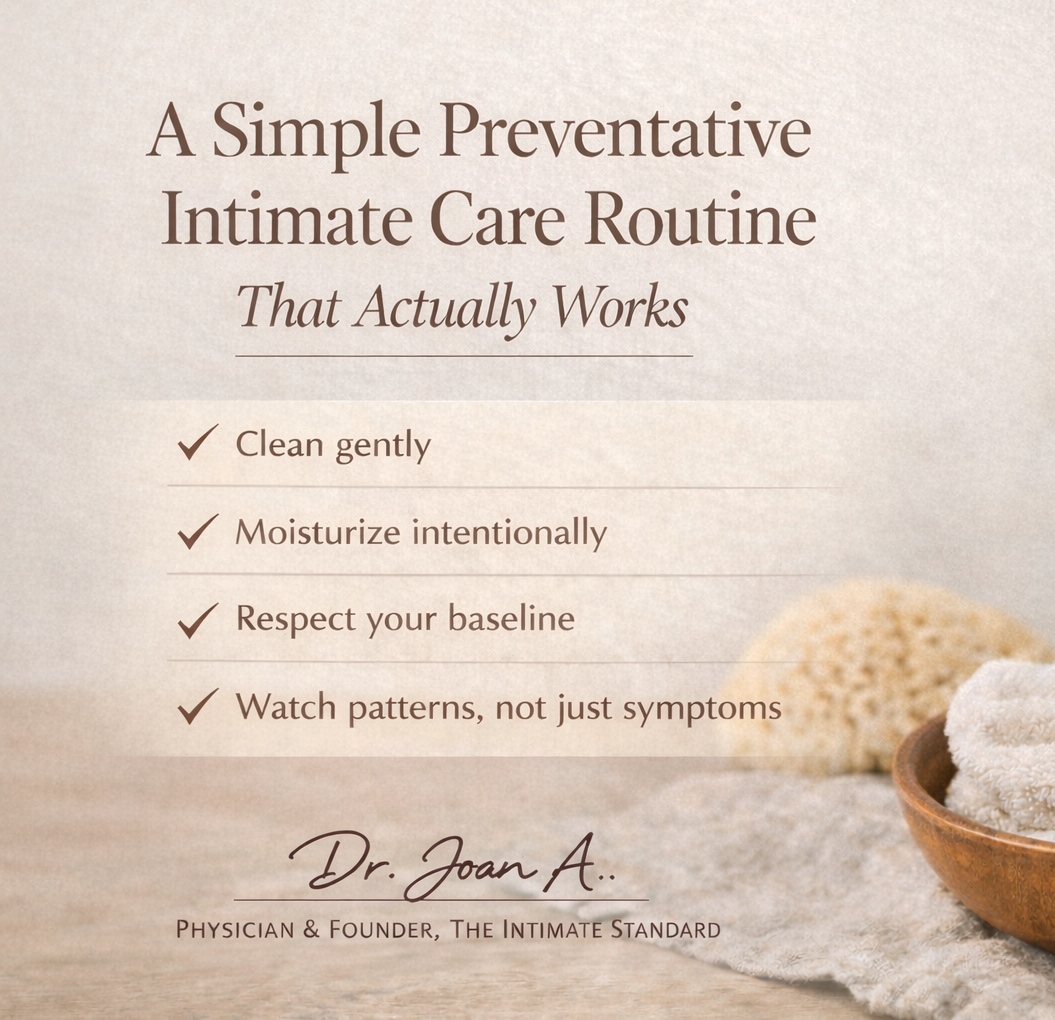
Want a simple way to put this into practice? Download the Preventative Intimate Care Checklist — a simple, physician-guided routine you can return to anytime.

Posts

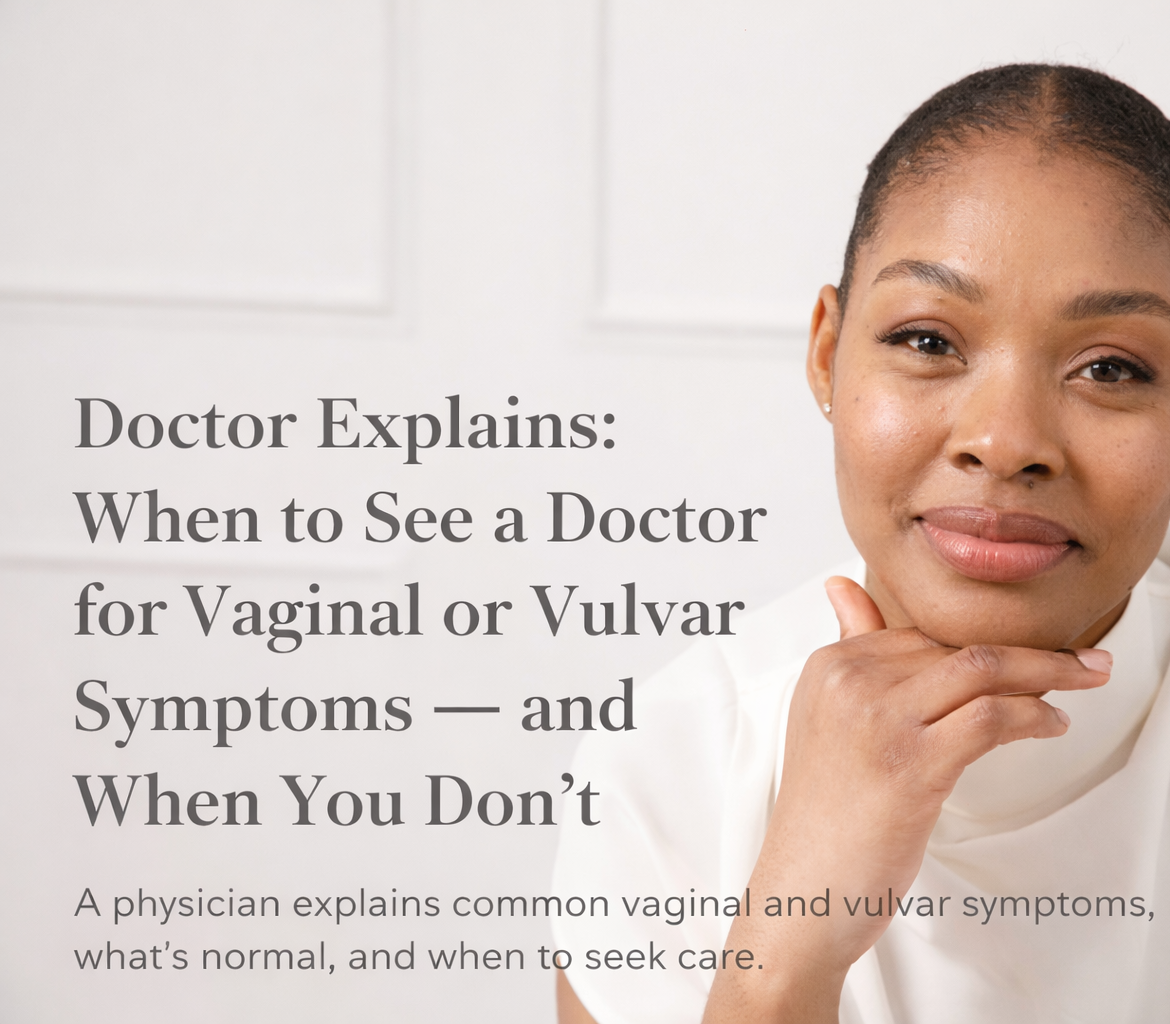


dr. joan a., MD
I’m Dr. Joan A., a physician and women’s health advocate who believes intimate care should be proactive, informed, and stigma-free.
My work became personal after experiencing recurrent bacterial vaginosis following sex—an issue I knew clinically, yet struggled with privately. Despite my medical training, I found the guidance fragmented, overly reactive, and often dismissive. That gap led me to create ADAJŌ, a brand rooted in science, prevention, and respect for women’s bodies.
This space exists to share clear, science-backed education and elevate intimate care as an essential part of self-care. Because when women understand their bodies, they reclaim comfort, confidence, and control.